
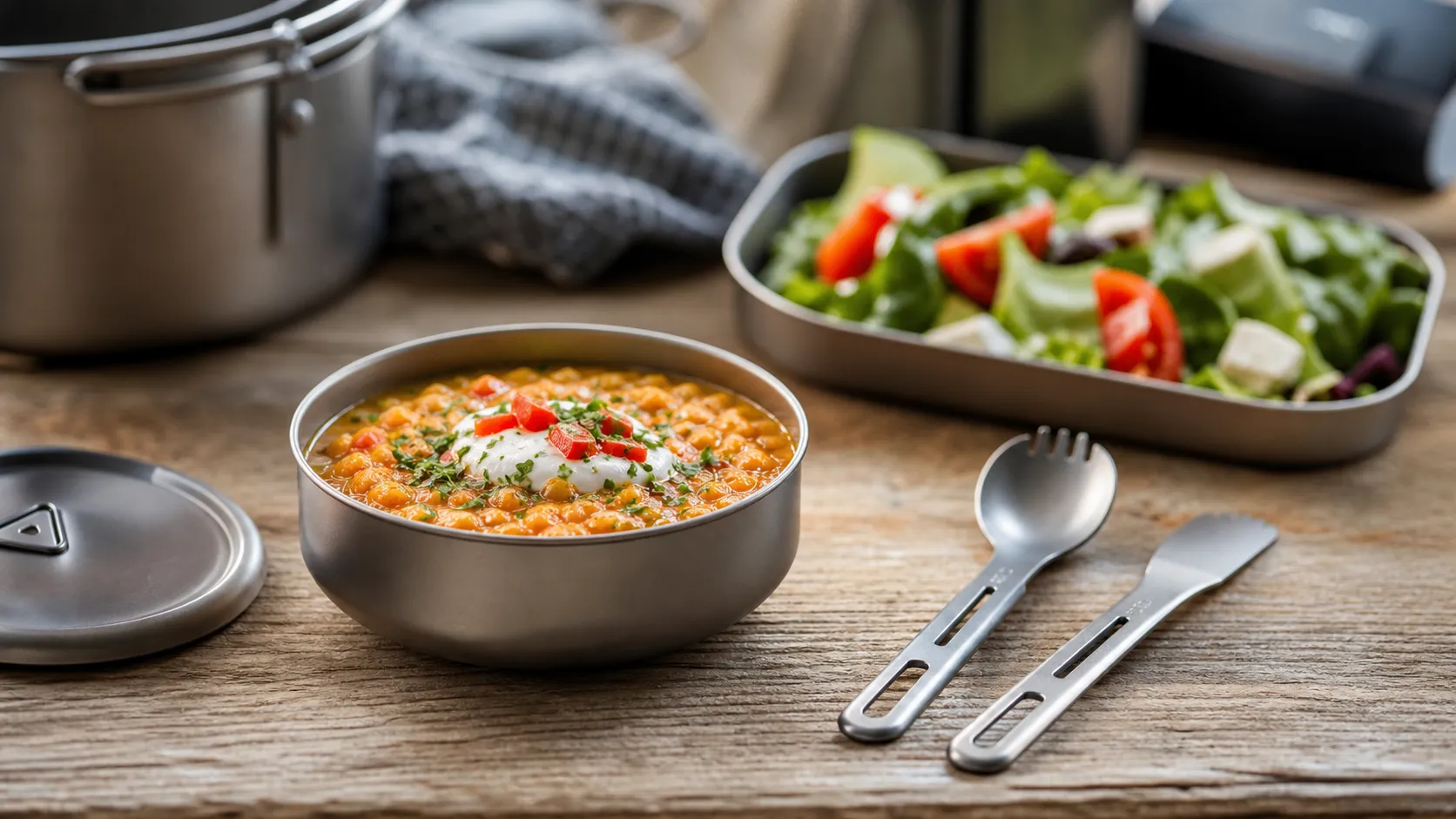
Pure Titanium vs. Titanium Alloys for Cutlery
For titanium cutlery, the material grade matters as much as the finished shape. We prioritize clear material identification because “titanium” can describe either commercially pure titanium or an alloy with added elements.
Grade 1 Pure Titanium (TA1)
Grade 1 Pure Titanium, also called TA1, contains 99.5%+ titanium. It is valued for high purity and excellent formability. Its ductility—the ability to stretch and form without cracking—makes it well suited to stamped spoons, forks, and single-ended ergonomic sporks.
For food-contact titanium cutlery, TA1 is a practical choice when a smooth, thin, consistently formed utensil is required.
Grade 5 Titanium: Ti-6Al-4V
Grade 5 titanium (Ti-6Al-4V) is an alloy containing titanium, aluminum, and vanadium. It is widely recognized for strength, but its composition differs from pure titanium. That distinction matters when evaluating utensils intended for direct food contact.
A product described only as “titanium” does not identify its grade, purity, or alloying elements. Material documentation should state whether the utensil uses TA1 pure titanium or a titanium alloy.
Deep Drawing for Titanium Cutlery
Deep drawing is a metal-forming process that presses titanium sheet into a three-dimensional shape. It is used to form spoon bowls, fork profiles, and spork heads from flat material.
Well-controlled forming supports:
- Smooth bowl contours and consistent depth
- Even thickness through the utensil head
- Reduced risk of cracks around bends and transitions
- Cleaner edges after trimming and finishing
TA1’s deep-drawing ductility helps manufacturers produce lightweight titanium cutlery with practical utensil shapes rather than overly flat or rigid profiles.
Verify Titanium Material Claims
Before selecting titanium cutlery, check for material transparency. Reliable suppliers should be able to provide documentation that links the finished utensils to the stated material.
Look for:
- Material grade: Grade 1 Pure Titanium / TA1 clearly identified
- Mill certification: Documentation showing the titanium sheet’s composition and source
- Batch traceability: Production records connecting material batches to finished goods
- Consistent product labeling: Grade claims that match product listings, packaging, and technical documents
Clear certification and traceability help distinguish verified titanium cutlery from products with vague or unsupported material claims.
Titanium Cutlery Food Safety and Taste
Food safety claims for titanium cutlery should be supported by clear material and food-contact documentation. We recommend checking the stated titanium grade, supplier traceability, and applicable market requirements before purchase or OEM approval.
Titanium is widely selected for food-contact products because its surface develops a thin titanium dioxide passivation layer. This natural surface layer helps protect the metal from corrosion during normal use. For complete table settings, pair utensils with titanium plates and trays made for reusable dining.
Taste-Neutral Eating Surface
A smooth, well-finished titanium cutlery surface is designed to keep everyday meals simple and clean. It is a practical option for coffee, soup, citrus, tomato sauce, vinegar, and other strongly flavored foods where users may prefer a taste-neutral eating surface.
For hygiene and daily care, look for:
- Smooth, non-porous surfaces that are easy to rinse and wash
- Clean edges and polished eating areas with no obvious burrs
- Odor-resistant materials suitable for repeated use
- A finish that does not trap visible food residue in seams or rough areas
Corrosion Resistance and Compliance Checks
Titanium cutlery is generally valued for corrosion resistance, particularly when compared with untreated aluminum in acidic-food use. Stainless steel remains a common food-service material, but its grade, surface finish, and manufacturing quality also matter.
Before placing a consumer, hospitality, or private-label order, verify the documentation relevant to the destination market:
- FDA: Food-contact requirements for the United States
- LFGB: Food-contact testing commonly requested for Germany and parts of Europe
- RoHS: Restricted-substances documentation where applicable
- Material certification: Confirmation of titanium grade and mill source
- Test reports: Current reports matched to the finished utensil, finish, and color process
For anodized titanium cutlery, confirm that the color process and final surface are included in the product’s compliance review.
Titanium Cutlery Weight, Strength, and Heat Performance
Titanium cutlery is valued for its strong strength-to-weight balance. It is generally lighter than stainless steel while offering dependable rigidity for daily meals, travel, and outdoor use. This makes it a practical choice when reducing pack weight matters without moving to disposable utensils.
Weight and Carry Comfort
Compared with common cutlery materials:
| Material | Weight Profile | Everyday Consideration |
|---|---|---|
| Titanium | Lightweight and durable | Well suited to compact reusable utensils |
| 18/10 stainless steel | Heavier | Familiar feel and solid table use |
| Anodized aluminum | Lightweight | Surface wear can affect appearance over time |
| Plastic | Usually very light | Lower long-term durability |
For ultralight EDC cutlery and backpacking kits, a single titanium spoon, fork, or spork can reduce bulk in a pouch, lunch bag, or camp cook set. Separate utensils add flexibility, while a compact single-piece design keeps carry simple.
Bending Resistance and Thin Construction
Titanium cutlery can be made with thin walls while retaining useful stiffness. The final bending resistance depends on the utensil shape, material thickness, handle profile, and manufacturing quality. A wider handle, reinforced neck, and smooth transition from handle to spoon bowl or fork head help support repeated use.
We focus on practical designs that balance low weight with stable handling. A very thin utensil may save weight, but it should still feel controlled when lifting dense foods or stirring a hot meal.
Lower Heat Transfer for Hot Meals
Titanium transfers heat more slowly than many common metals. In use, this can make the handle more comfortable when eating soup, coffee, noodles, or freshly cooked camp meals. The spoon bowl or fork head can still become hot after long contact with food or cookware, so normal care remains important.
Material thickness and surface treatment also affect comfort, grip, and perceived temperature. Our titanium material and finish options help match utensil performance to outdoor, travel, and everyday-use requirements.
Titanium Cutlery Designs for Real-World Use
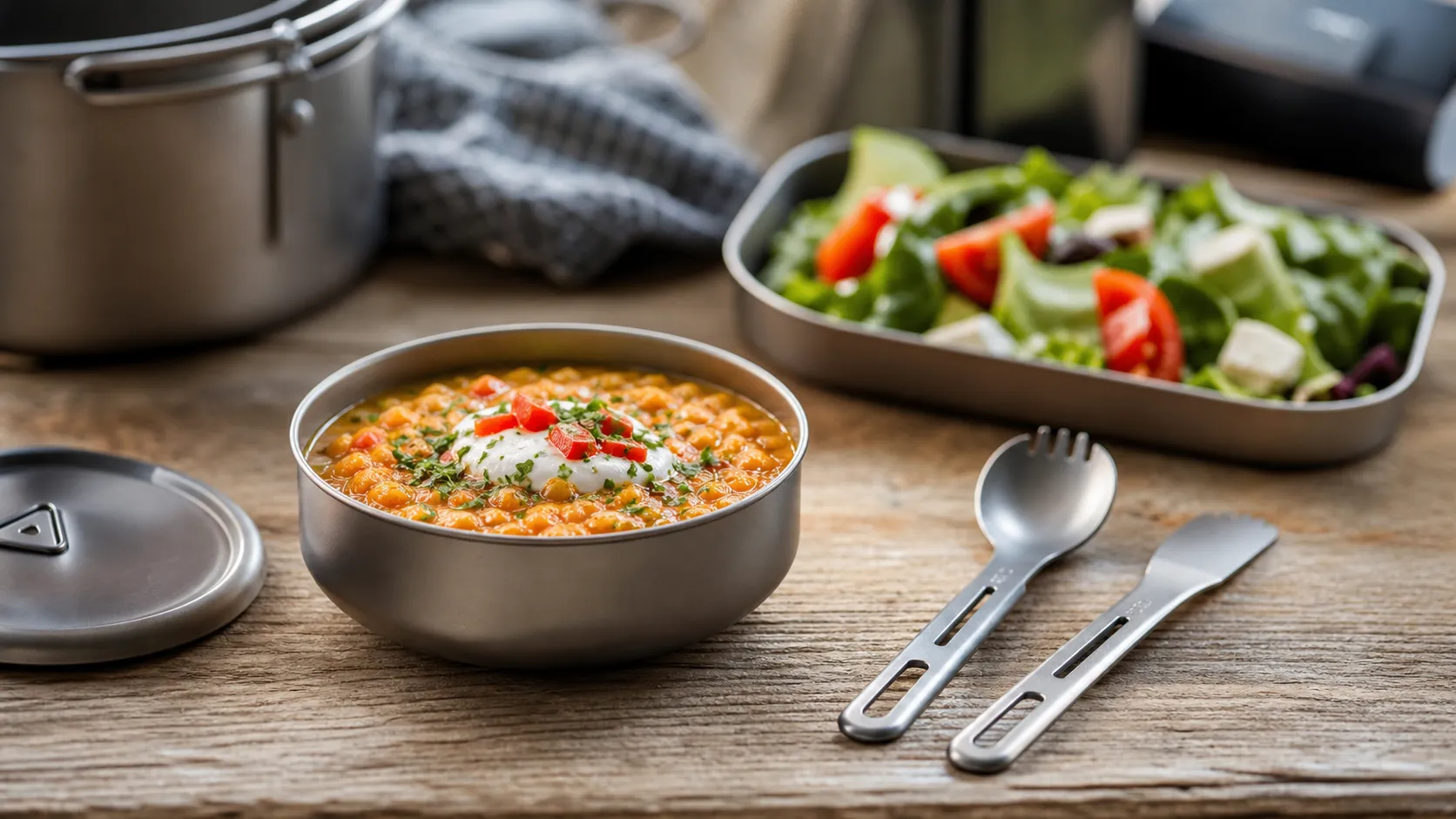
The right titanium cutlery design depends on how and where we eat. For outdoor meals, daily carry, and reusable dining, practical shape matters as much as compact storage. Our titanium cutlery tools are designed around simple, reusable utensil formats.
- Long-handle pouch spoon: A longer handle reaches into freeze-dried meal bags, tall cups, and deep containers without leaving food at the bottom.
- Single-ended ergonomic spork: A compact spork combines spoon and fork functions in one tool. It suits light meal prep, travel, and everyday carry where space is limited.
- Separate utensil options: A titanium fork, knife, spoon, or chopsticks can provide a more familiar eating experience than a single multi-tool.
- Nesting modular utensil sets: Nested pieces help keep a set organized. Some designs may include locking connections or carabiner slots for easier packing and attachment.
- Handle and head shape: Choose a handle length that fits your container, a spoon bowl deep enough for soup or rice, and fork tines that pick up food without feeling overly sharp.
For balanced everyday use, look for smooth transitions between the handle and utensil head. A well-balanced titanium cutlery piece should feel stable in the hand, pack easily, and stay practical across different meals.
Titanium Cutlery Surface Finishes and Colors
Finish affects how titanium cutlery feels, looks, and wears over time. A polished spoon bowl finish provides a smooth eating surface and is generally easier to wipe clean. A sandblasted matte handle can offer a less reflective look and a more secure feel when hands are wet or greasy.
Micro-Anodized Titanium Finish
A micro-anodized titanium finish creates color by controlling the titanium oxide layer on the surface. Unlike paint, it does not rely on a separate colored coating. Color tone and scratch visibility can vary by finish and production process.
Polished vs. Matte Titanium Cutlery
- Polished surfaces: Smooth appearance, comfortable mouthfeel, and easier visibility of food residue.
- Matte surfaces: Lower shine and reduced fingerprint visibility, with a more textured feel.
- Colored finishes: Check whether color comes from anodization, paint, coating, or PVD treatment before purchase.
For long-term appearance, choose titanium cutlery with clean edges, consistent finishing, and a surface suited to its intended use. Polished areas may show fine scratches more clearly, while matte finishes can better hide everyday marks.
Titanium Cutlery by Use Case
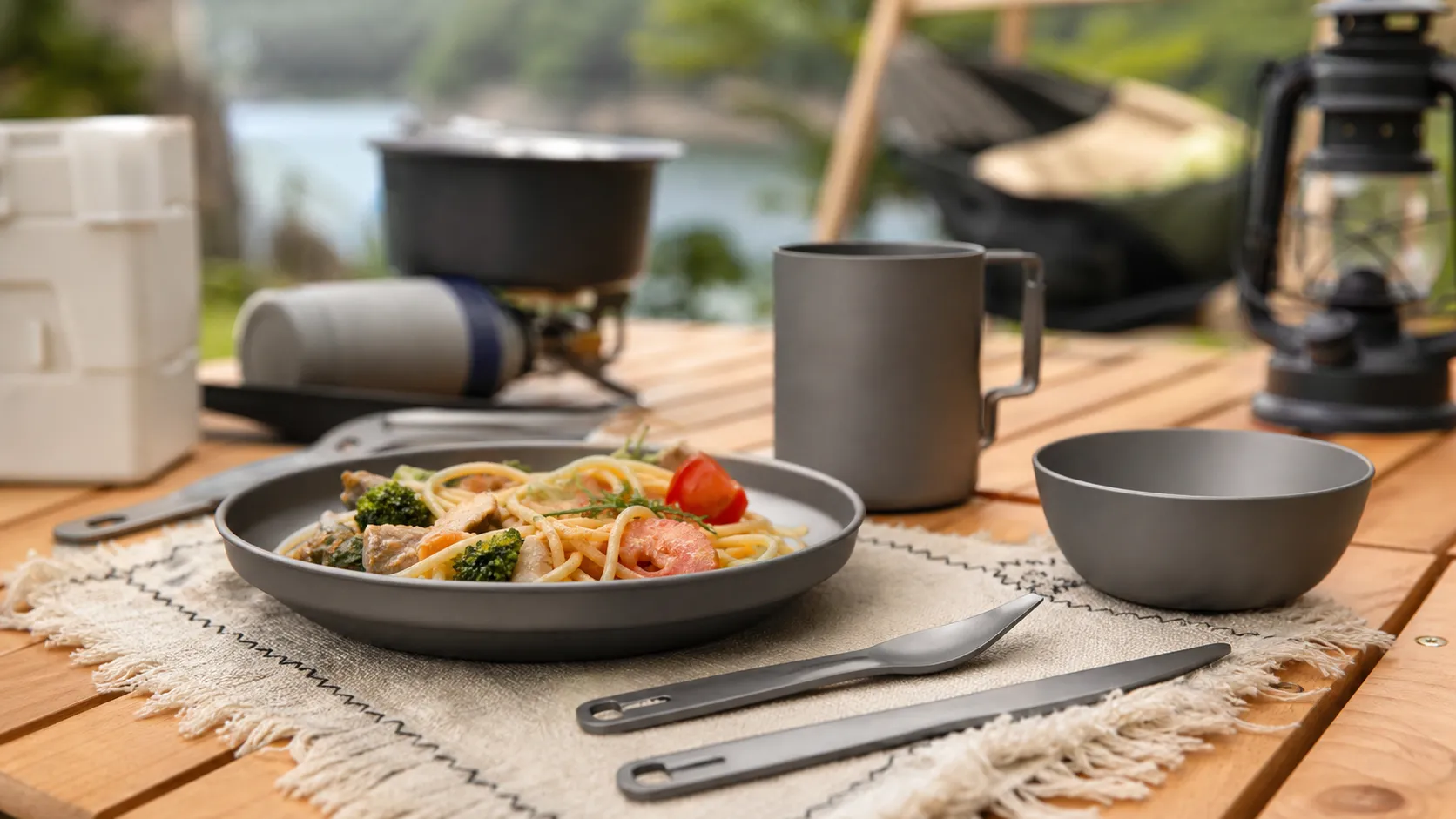
We match titanium cutlery to the way people eat, carry, and travel. For a broader view of available options, see our titanium tableware collection.
Backpacking, Camping, and Bikepacking
For hikers, campers, and bikepackers, prioritize portability and simple packing. A compact spoon, fork, spork, or chopsticks can suit trail meals, camp cooking, and packed food.
Ultralight EDC Cutlery
For work, school, travel, and daily carry, choose titanium cutlery that fits easily in a bag, lunch container, or pouch. A single utensil can be practical when space matters, while separate pieces provide a more familiar eating experience.
Reusable Tableware
Titanium cutlery can support a reusable tableware routine by reducing reliance on disposable plastic utensils. It is suitable for packed lunches, takeaway meals, shared workspaces, and regular home use.
Home Dining and Hospitality
For home dining, cafés, and hospitality settings, appearance and handling matter alongside function. Choose a coordinated utensil style that suits the table setting and is easy to organize between uses.
Choosing the Right Set
When selecting titanium cutlery, compare these basics:
- Weight: Important for backpacking and everyday carry.
- Capacity: Choose a spoon bowl and fork size that suit your usual meals.
- Portability: Consider whether a single utensil, pouch set, or compact set fits your routine.
- Appearance: Select a finish and shape that match casual meals, travel use, or dining presentation.
- Set format: A spork saves space; separate fork, knife, and spoon pieces offer greater meal flexibility.
Titanium Cutlery vs. Stainless Steel, Aluminum, and Plastic
We compare titanium cutlery with other materials by verified weight, finish, food-contact documentation, and intended service life. Material choice should match how often the utensils are used, carried, washed, and replaced.
| Material | Weight | Durability | Acidic Food Use | Heat Feel | Best Fit |
|---|---|---|---|---|---|
| Titanium cutlery | Confirm product weight | Check thickness and rigidity | Confirm food-contact suitability | Check handle comfort with hot food | Reusable travel, outdoor, and daily carry |
| Stainless steel | Confirm grade and weight | Check corrosion resistance and finish | Confirm food-contact suitability | Can feel warm with hot meals | Home dining and regular kitchen use |
| Aluminum | Confirm alloy and surface treatment | Check scratch and wear resistance | Check suitability for acidic foods | Check heat transfer | Lightweight use where approved |
| Plastic | Usually selected for low carry weight | Check reuse rating and wear | Check food-contact approval | Often less heat transfer | Low-cost or temporary use |
Taste, Acids, and Comfort
A clean, smooth eating surface matters more than marketing claims. For coffee, soup, citrus, tomato-based foods, and vinegar, we recommend checking the supplier’s food-contact documentation and care guidance. Taste, odor retention, and surface staining can vary by material grade, finish, cleaning method, and age of the utensil.
Heat comfort also depends on utensil shape. A longer handle, rounded edges, and a stable grip can improve everyday use with hot meals. For business projects, our custom cutlery options can support requirements for shape, finish, color, and branding.
Reuse and Long-Term Value
Reusable titanium cutlery, stainless steel, aluminum, and durable plastic can all reduce dependence on disposable utensils when they are maintained and kept in service. Long-term ownership cost should include:
- Initial purchase price
- Expected replacement frequency
- Cleaning and storage needs
- Surface wear and scratch visibility
- Food-contact compliance records
- Availability of spare or replacement pieces
When Other Materials Make Sense
- Choose stainless steel for a familiar tableware feel and broad home-use availability.
- Choose aluminum only when the material and finish are documented for the intended food-contact use.
- Choose plastic for low-cost, temporary, or low-risk situations where reuse is not the priority.
- Choose titanium cutlery when compact carry, reusable use, and documented material quality are the main buying factors.
How We Manufacture Titanium Cutlery
We focus on controlled production steps and clear material documentation for titanium cutlery. For food-contact utensils, material claims should be supported by traceable supplier records, including titanium grade and mill certification where available.
| Production Stage | Quality Focus |
|---|---|
| Material sourcing | Verify titanium sheet grade and documentation |
| Cold stamping | Form consistent spoon, fork, and spork profiles |
| Deep drawing | Shape deeper bowls and formed utensil sections |
| Trimming | Remove excess material from stamped edges |
| Edge smoothing | Reduce burrs and sharp contact points |
| Final inspection | Check dimensions, surface condition, and rigidity |
Forming and Edge Control
Cold stamping cuts and forms the basic utensil shape. Deep drawing is a press-forming process that pulls titanium sheet into a deeper shape, such as a spoon bowl. Careful tool setup helps reduce uneven edges, surface marks, and stress points.
We review finished titanium cutlery for:
- Smooth eating edges and fork tines
- Cleanly trimmed outlines
- Consistent handle shape and alignment
- Surface defects, scratches, and visible cracks
- Practical rigidity for the intended utensil design
Thickness must match the design. A thinner profile can reduce carry weight, while a stronger profile can improve stiffness. Dimensional checks help keep utensil length, bowl depth, tine spacing, and handle geometry consistent across production runs.
OEM and ODM Titanium Cutlery Options
For private-label and custom projects, titanium cutlery can be adapted through OEM and ODM development services. Available customization may include:
- Laser-engraved logos or markings
- Custom spoon, fork, spork, or chopstick shapes
- Surface finishes and anodized color options
- Branded storage pouches
- Retail-ready and eco-conscious packaging formats
Quality inspection remains important after every customization step. Our manufacturing quality inspection process supports checks for workmanship, finish consistency, dimensions, and packaging condition before shipment.
How to Choose the Best Titanium Cutlery
We select titanium cutlery based on material proof, usable shape, and long-term carrying needs—not color alone.
| Checkpoint | What to Look For |
|---|---|
| Material | Choose Grade 1 Pure Titanium (TA1) for food-contact eating surfaces. |
| Finish | Smooth edges and a polished spoon bowl reduce rough mouthfeel and make cleaning easier. |
| Handle | Pick a stable, comfortable grip with enough length for your usual meals. |
| Weight and thickness | Balance low weight with enough rigidity for daily use and packed meals. |
| Set format | Match the design to how you eat, pack, and travel. |
Pick the Right Titanium Cutlery Format
- Single spork: Best for ultralight EDC cutlery, short trips, and minimal packing.
- Separate fork, spoon, and knife: Better for regular meals, work lunches, home use, and hospitality.
- Nesting modular utensil set: A practical option when compact storage matters but one utensil is not enough.
- Long-handle spoon: Useful for meal pouches, deep containers, and larger food bags.
Check Build Quality Before Buying
A well-made titanium cutlery piece should feel balanced in the hand. Inspect the spoon rim, fork tines, knife edge, and handle transitions for burrs, sharp corners, or uneven finishing. A polished eating surface and secure handle shape matter more in daily use than decorative details.
For business purchasing, review available quality and compliance information before confirming a titanium cutlery order. Material records, food-contact documentation, warranty terms, pouch quality, and clear product information help confirm that the item matches its stated use.
Titanium Cutlery Care and Maintenance
Titanium cutlery is made for regular reuse, but simple care helps preserve a clean finish and smooth eating surface over time.
Dishwasher-Safe Durability
Many titanium utensils can handle normal dishwasher cycles, but we recommend hand washing when possible. Hand washing reduces contact with other utensils, harsh detergent residue, and repeated rubbing that can make polished areas look dull.
- Wash with warm water, mild dish soap, and a soft sponge.
- Rinse soon after meals with sticky, oily, or dried-on food.
- Dry before storing to keep the set clean and ready to pack.
Cleaning Polished Titanium Cutlery
For food residue, soak the utensil briefly in warm soapy water, then wipe it with a soft cloth or non-abrasive sponge. Use a soft brush around fork tines, spork edges, or handle joints.
Avoid steel wool, abrasive scouring pads, and aggressive cleaning powders. These can leave visible scratches, especially on a polished spoon bowl finish or micro-anodized titanium finish.
Storage Tips
Store titanium cutlery in a pouch, utensil roll, or dedicated compartment. This helps prevent scratches during travel and keeps small pieces from getting lost in a backpack, lunch bag, drawer, or camping kit.
Keep utensils separated from sharp tools, loose keys, and heavy cookware when possible.
Lifespan and Replacement
Quality titanium cutlery is designed for long-term reuse. Replace a utensil if it develops sharp or damaged edges, cracks, loose locking parts, severe bending, or surface damage that affects safe, comfortable use. Regular inspection matters most for folding, modular, and multi-tool designs.
Titanium Cutlery FAQs
Is titanium cutlery safe for everyday eating?
The supplied product reference does not provide verified food-safety or food-contact information for this titanium cutlery.
Does titanium cutlery leave a metallic taste?
No taste-performance details are provided in the available product reference.
Is Grade 1 titanium better than Grade 5 titanium for utensils?
The reference does not identify a titanium grade, alloy composition, or material certification.
Can titanium cutlery go in the dishwasher?
Dishwasher-use guidance is not stated in the supplied product information.
Does titanium cutlery bend easily?
No thickness, rigidity, or bending-resistance data is available in the reference.
Can I use titanium utensils with acidic foods?
The reference does not provide verified information about use with acidic foods.
Is anodized titanium cutlery coated or painted?
No anodization, coating, paint, or finish specifications are listed.
Is titanium cutlery worth the higher price?
Value depends on verified material, finish, weight, design, durability, and included accessories. The available reference does not provide these product details.
What is the best titanium utensil for backpacking meals?
The reference does not list backpacking-specific titanium cutlery designs, weights, or handle lengths. See the available titanium cutlery FAQ resource for product-related information.
How can I tell whether titanium cutlery is genuine?
The supplied reference does not include mill certificates, material-grade markings, test reports, or other verification details for titanium cutlery.
 Chinese